
Wisdom tooth removal
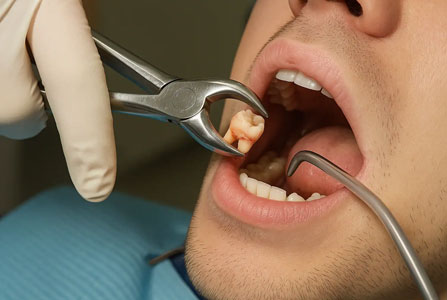
Wisdom tooth removal
Wisdom tooth removal, also known as third molar extraction, is a minor oral surgical procedure involving the removal of one or more third molars located in the posterior aspect of the maxilla and mandible.
Call Now! Book an Appointment!What is Wisdom Teeth Removal?
Wisdom tooth removal, also known as third molar extraction, is a minor oral surgical procedure involving the removal of one or more third molars located in the posterior aspect of the maxilla and mandible.
Third molars typically erupt between 17–25 years of age. Due to evolutionary reduction in jaw size, there is often inadequate space for proper eruption, resulting in impaction, malposition, or partial eruption.
Impacted third molars can predispose to infection, damage to adjacent teeth, and other pathological conditions, necessitating surgical intervention.
Common Terminology
- Surgical extraction of third molars
- Disimpaction of impacted wisdom teeth
- Third molar surgery
Clinical Indications / Symptoms
While some third molars remain asymptomatic, clinical or radiographic findings may warrant removal.
Common Presenting Symptoms
- Posterior mandibular/maxillary pain (dull or acute)
- Pericoronal inflammation – erythema, edema, tenderness
- Trismus (restricted mouth opening)
- Halitosis or foul taste due to bacterial accumulation
- Food impaction under operculum
- Referred pain (ear, temporal region, or head)
- Sinus-related symptoms (maxillary third molars)
👉 Evidence-based note: According to Mayo Clinic, impacted wisdom teeth may remain asymptomatic but still pose a risk for future pathology.
Associated Pathologies
Impacted or partially erupted third molars are associated with several oral and maxillofacial conditions:
Impaction
- Soft tissue impaction
- Bony impaction
Pericoronitis
Infection of the operculum, commonly seen in mandibular third molars
Odontogenic cysts and tumors
- Dentigerous cyst (most common)
- Rare neoplastic transformation
Dental caries
- High incidence due to poor accessibility
External root resorption
- Damage to adjacent second molar roots
Periodontal disease
- Pocket formation distal to second molar
👉 Cleveland Clinic emphasizes that impacted third molars are a common cause of localized infection and adjacent tooth damage.
Diagnostic Evaluation & Imaging
Accurate preoperative assessment is critical for surgical planning and complication avoidance.
Investigations
Panoramic Radiograph (OPG)
- Assesses angulation, depth, and relation to adjacent structures
Cone Beam CT (CBCT)
- Gold standard in complex cases
Evaluates proximity to:
- Inferior alveolar nerve
- Maxillary sinus
Clinical Examination
- Periodontal probing
- Assessment of soft tissue inflammation
👉 CBCT is particularly important in high-risk nerve proximity cases, reducing incidence of nerve injury.
Patient Selection & Eligibility
Indications for Removal
- Symptomatic impacted teeth
- Recurrent infection
- Associated pathology
- Orthodontic or prosthetic considerations
Prophylactic Removal
Even asymptomatic teeth may be removed if:
- High risk of future disease
- Poor oral hygiene access
Contraindications / Precautions
Uncontrolled systemic illness:
- Diabetes mellitus
- Hypertension
- Thyroid disorders
- Bleeding disorders / anticoagulant therapy
- Pregnancy
- Preferably avoided in 1st & 3rd trimester unless urgent
Procedure Overview
Performed under:
- Local anesthesia
- Conscious sedation / IV sedation
- General anesthesia (selected cases)
Surgical steps:
- Flap elevation
- Bone removal (if required)
- Tooth sectioning
- Extraction and socket debridement
- Suturing
👉 Technique varies depending on:
- Impaction type
- Root morphology
- Proximity to vital structures
Pre-Operative & Post-Operative Care
Pre-Operative Instructions
- Fasting (6–8 hours) for sedation cases
- Medical evaluation if comorbidities present
- Arrange escort post-procedure
Post-Operative Care (Critical Phase: First 48 Hours)
Clot Protection
Avoid:
- Spitting
- Smoking
- Straw usage
These can lead to Alveolar osteitis, a painful post-extraction complication
Pain & Edema Control
- NSAIDs (e.g., ibuprofen)
- Ice application (first 24 hours)
Diet
- Soft, non-irritating foods
- Avoid seeds, nuts, spicy food
Oral Hygiene
- No brushing at surgical site for 24 hours
- Warm saline rinses after 24 hours
Duration & Recovery
- Procedure time: 45–90 minutes
- Observation period: 30–60 minutes
- Hospital stay: Typically outpatient procedure
- Return to routine: 3–5 days
- Soft tissue healing: ~2 weeks
Recovery may vary depending on
- Surgical complexity
- Number of teeth removed
- Patient healing response
Benefits of Wisdom Tooth Removal
- Prevention of infection and recurrent inflammation
- Protection of adjacent teeth from decay and resorption
- Reduction in risk of cyst formation
- Relief from chronic pain and discomfort
- Improved oral hygiene access